You've probably heard both recommendations:
"Run Facebook and Instagram Ads. That's where everyone spends their time."
"No, Google Ads are better. People searching on Google are already looking to buy."
So, who's right?
Well, both have a point.
Meta Ads and Google Ads are two powerful advertising platforms, but they work differently. One helps people discover your business while they're scrolling through social media. The other helps your business appear when someone actively searches for a product, service or solution.
The real question isn't which platform is bigger or more popular. It's which one makes more sense for your business, your audience and your goals?
Let's break it down.
1. What Is the Difference Between Meta Ads and Google Ads?
The biggest difference comes down to customer intent.
Meta Ads: Reach People Before They Search
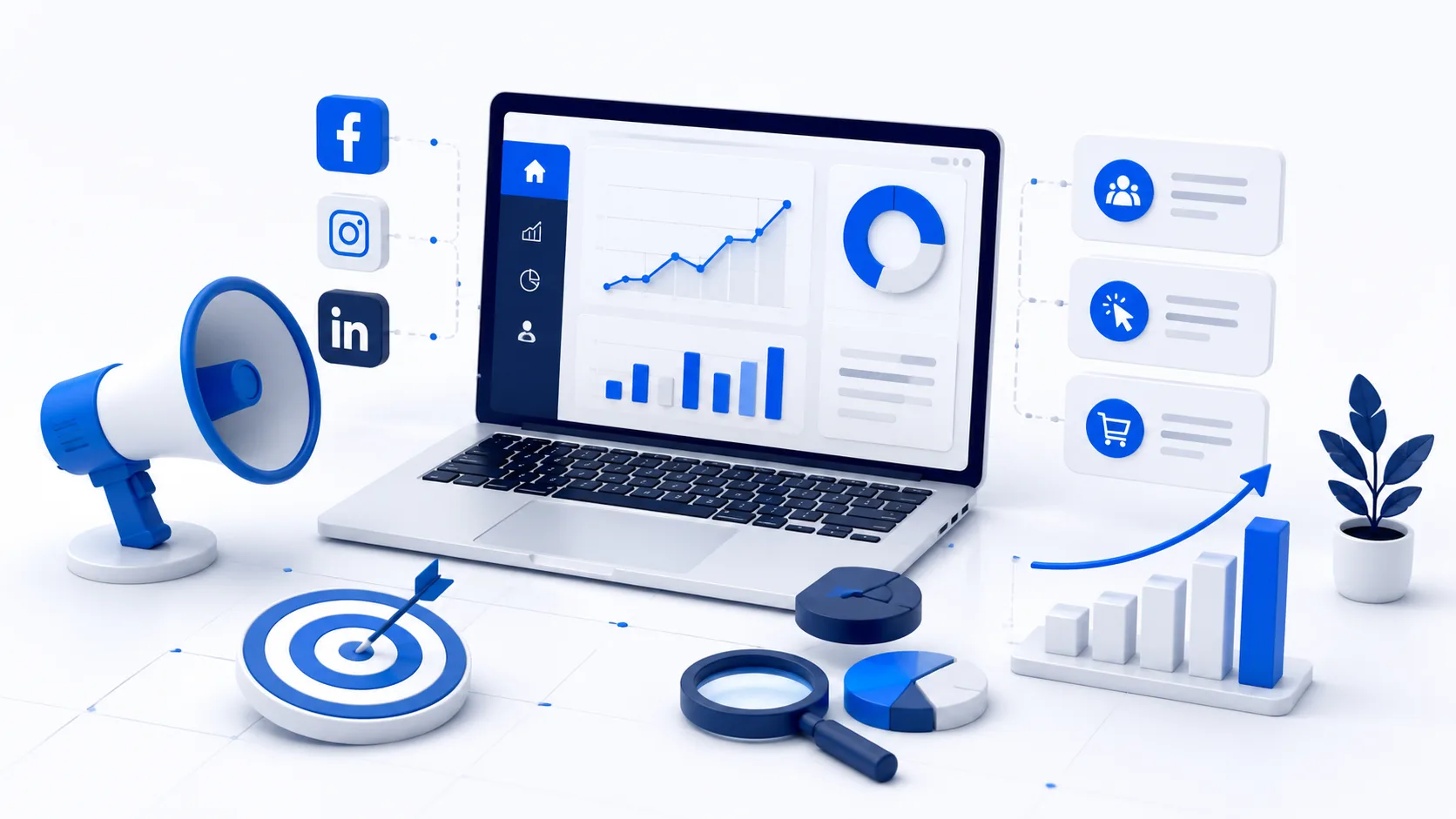
Meta Ads allow businesses to advertise across Facebook, Instagram, Messenger and other available placements through Meta Ads Manager.
Think about someone scrolling through Instagram and coming across a beautiful bedding collection, a new skincare product or a restaurant they've never visited.
They weren't necessarily looking for these products. The advertisement introduced them to something they might be interested in.
That's where Meta advertising works particularly well.
You can use it to:
- Introduce new products and services.
- Build brand awareness.
- Generate leads and enquiries.
- Drive website traffic and online sales.
- Retarget website visitors and social media audiences.
- Grow your Facebook and Instagram communities.
Meta Ads are especially useful when your product or service benefits from strong visuals, creative storytelling and audience discovery.
Google Ads: Reach People When They're Searching
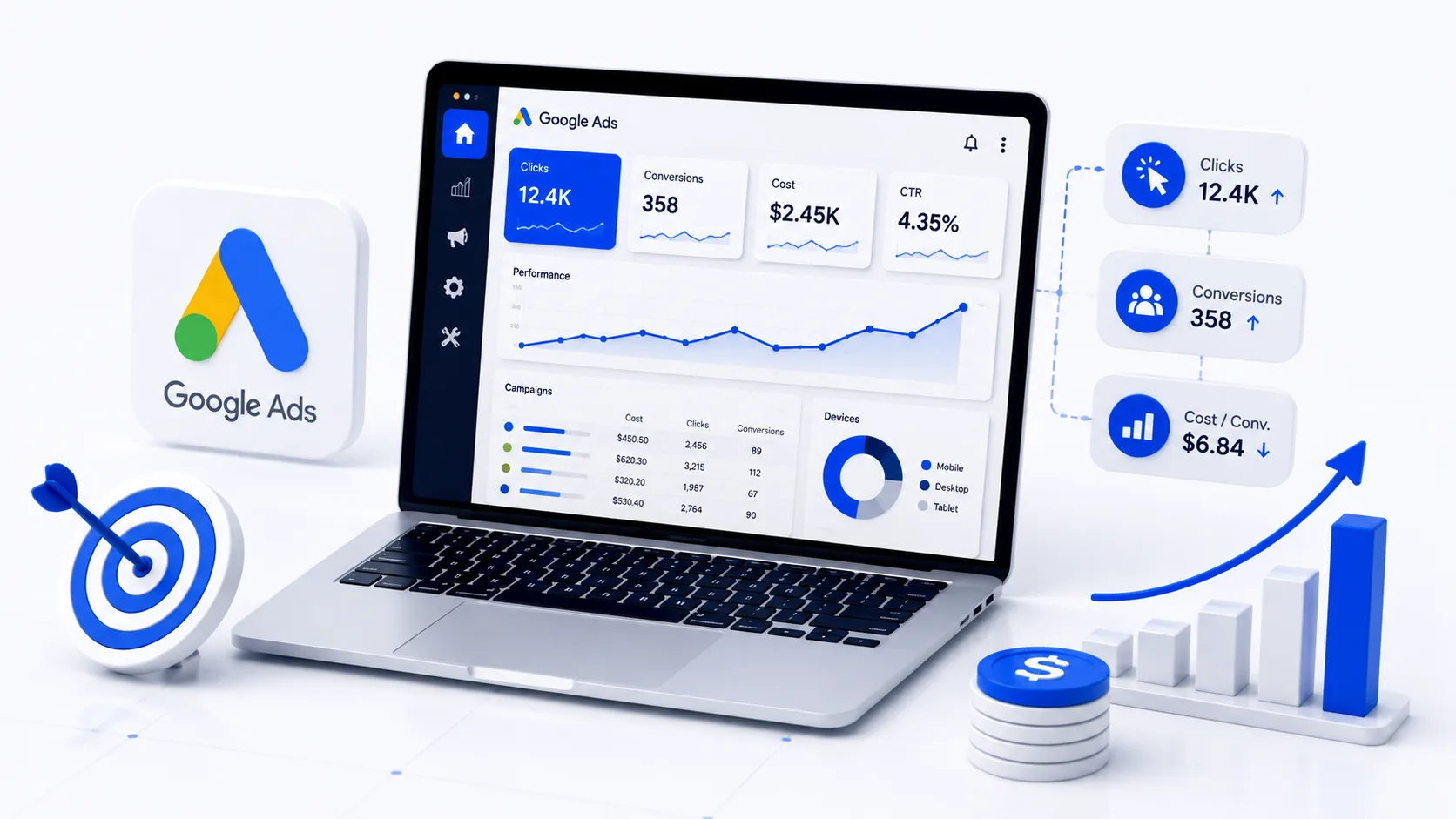
Google Ads works differently. It allows businesses to show advertisements across Google's advertising network, including Search, Shopping, YouTube and Display.
For example, someone searching for "Shopify website development agency" or "best dental supplies online" already has a specific need.
Your advertisement can appear when that person is actively looking for a solution.
Google Ads can help you:
- Reach people searching for your products or services.
- Generate high-intent website enquiries.
- Drive online purchases through Shopping campaigns.
- Promote services in specific locations.
- Build visibility through YouTube and Display advertising.
- Reach potential customers who are comparing different providers.
In simple terms, Google helps people find your business when they're searching, while Meta helps your business get discovered by people who may not have been looking yet.
2. Meta Ads vs Google Ads: Key Differences
Here's a quick comparison to make things easier.
| Comparison | Meta Ads | Google Ads |
|---|---|---|
| Main platforms | Facebook, Instagram | Google Search, Shopping, YouTube, Display |
| Audience approach | Audience and interest signals | Search intent, keywords and other targeting |
| Customer mindset | Discovering and exploring | Actively searching |
| Main strengths | Awareness, discovery and retargeting | Capturing existing demand |
| Creative formats | Images, videos, Reels, Stories, carousels | Search text, product listings, video and display |
| Common objectives | Engagement, leads, sales and reach | Leads, sales, traffic and visibility |
| Best suited for | Products and services that benefit from discovery | Products and services people already search for |
Neither platform guarantees better results. Performance depends on your industry, offer, competition, audience, creative quality and campaign setup.
3. Which Platform Is Better for Different Types of Businesses?
This is where your business model matters more than the platform itself.
E-commerce and Online Stores
For fashion, bedding, beauty, home decor, accessories and other visual products, Meta Ads can be an excellent starting point.
You can showcase products through videos, lifestyle photography, customer reviews, product demonstrations and promotional campaigns.
Google Ads can complement this through Search and Shopping campaigns, helping you reach people actively searching for specific products.
Our recommendation: Consider Meta Ads for product discovery and Google Ads for capturing product searches. Use both when your budget and tracking support it.
Local and Service-Based Businesses
Suppose you run a dental clinic, landscaping company, consultancy or home renovation business.
Someone searching for "landscaping services near me" may already be looking to hire a provider.
Google Search Ads can help you reach that person at the right moment.
Meta Ads can also help showcase previous projects, customer testimonials, offers and services to people in your target locations.
Our recommendation: Start with Google Search if there's clear search demand. Use Meta Ads to build awareness, showcase your work and generate additional enquiries.
New Businesses and Emerging Brands
If your business is relatively new, people may not know your brand exists yet.
This is where Meta Ads can help introduce your products or services to relevant audiences.
Google Ads can still work for specific searches, but it may be difficult to capture demand if people aren't searching for your brand or product category.
Our recommendation: Build awareness through Meta Ads while identifying relevant search opportunities on Google.
B2B and Professional Services
For professional services, software, consulting and other B2B businesses, Google Ads can be useful when potential clients actively search for solutions.
Meta Ads can support brand visibility, retargeting and audience engagement.
Our recommendation: Choose based on how your ideal customers research and select providers. Don't assume one platform will work for every B2B business.
4. Which Is Cheaper: Meta Ads or Google Ads?
This is probably one of the most common questions businesses ask.
But comparing the two platforms using cost per click alone can be misleading.
Meta Ads may generate cheaper clicks or enquiries in some industries, while Google Ads may attract people with stronger immediate buying intent.
However, a cheaper click doesn't automatically mean a better customer.
Imagine two campaigns:
- Campaign A generates 100 enquiries at a lower cost, but only a few people are genuinely interested.
- Campaign B generates 40 enquiries at a higher cost, but a much larger proportion become paying customers.
Which campaign would you prefer?
Most businesses would choose the second one.
That's why you should measure:
- Cost per qualified lead.
- Cost per purchase or customer acquisition cost.
- Conversion rate.
- Return on ad spend (ROAS).
- Actual revenue generated.
The goal isn't to get the cheapest traffic. It's to acquire customers at a cost your business can sustain.
5. Should You Run Meta Ads and Google Ads Together?
In many cases, yes.
Rather than treating Meta Ads and Google Ads as competitors, think of them as two parts of the same customer journey.
Here's a simple example:
- A potential customer discovers your brand through an Instagram advertisement.
- They visit your website and explore your products.
- They leave without purchasing.
- Later, they search for your brand or product on Google.
- They see your advertisement, return to your website and complete their purchase.
This is a simplified example, but it shows how different advertising channels can contribute to the same conversion.
Meta Ads can introduce your business and keep it visible. Google Ads can capture people actively looking for what you offer.
Together, they can support a more connected marketing strategy.
However, running both platforms isn't compulsory. If your budget is limited, it's usually better to build one well-managed campaign than spread your money too thinly across several channels.
6. How to Choose the Right Advertising Platform for Your Business
Before investing in either platform, ask yourself these five questions:
1. Are people already searching for what I sell?
If yes, Google Search Ads may be a strong opportunity.
2. Does my product need to be seen to generate interest?
If your product benefits from visuals, demonstrations or creative storytelling, Meta Ads may be a good fit.
3. What's my main objective?
Brand awareness, website purchases, qualified leads and local enquiries require different campaign strategies.
4. Can I track actual results?
Make sure your conversion tracking is properly configured. This may include the Meta Pixel and Conversions API, Google Ads conversion tracking, Google Analytics 4 and relevant website events.
5. Can my business handle the incoming demand?
More enquiries aren't always better if your team cannot respond quickly or your website isn't ready to convert visitors.
The right platform should support your business operations, not create problems you aren't prepared to handle.
7. Common Advertising Mistakes Businesses Should Avoid
Even a good advertising platform can produce poor results when campaigns aren't managed properly.
Here are some mistakes worth avoiding:
- Choosing a platform just because competitors use it: Their audience, offer and business model may be completely different.
- Focusing only on clicks and impressions: These numbers don't necessarily translate into customers.
- Using the same creative everywhere: Different platforms and placements require different approaches.
- Ignoring landing pages: A great advertisement cannot compensate for a confusing website or checkout experience.
- Not setting up conversion tracking: Without reliable data, it's difficult to understand what's actually working.
- Changing campaigns too frequently: Give campaigns a reasonable opportunity to collect useful data before making major decisions.
- Scaling without checking profitability: Increasing advertising spend doesn't automatically increase profit.
Good advertising is not just about launching campaigns. It's about understanding the numbers, testing what works and improving the entire customer journey.
Final Thoughts: Meta Ads or Google Ads?
So, which platform should you choose?
If people are already searching for your products or services, Google Ads can help you capture that demand.
If your business needs visibility, product discovery, audience engagement or creative-led promotion, Meta Ads can be a strong option.
And if your business has the budget, tracking and resources to support both, combining the platforms can help you reach customers at different stages of their buying journey.
The best advertising platform isn't necessarily the most popular one. It's the one that brings the right customers to your business at a sustainable cost.
At Market Minds E-Commerce Solutions, we help businesses plan, manage and optimise advertising campaigns across Meta and Google, alongside social media management, creative production and e-commerce development.
Whether you're launching your first campaign or looking to improve existing performance, the starting point should always be understanding your business goals.
Ready to make your advertising budget work harder? Let's discuss your project.
Frequently Asked Questions
1. Is Meta Ads better than Google Ads?
Neither is universally better. Meta Ads is particularly useful for product discovery, brand awareness, engagement and retargeting. Google Ads is particularly useful for reaching people actively searching for products or services. The right choice depends on your business and marketing objectives.
2. Which is better for e-commerce: Meta Ads or Google Ads?
Meta Ads can help e-commerce brands introduce products, reach relevant audiences and generate purchases through visual creatives. Google Shopping and Search Ads can capture people already looking for specific products. Many online stores benefit from using both as part of a coordinated strategy.
3. Which advertising platform is cheaper?
Advertising costs vary by industry, audience, competition, location and campaign objective. Meta Ads may offer lower-cost clicks in some situations, while Google Ads may attract stronger search intent. Compare cost per qualified lead, customer acquisition cost and return on ad spend rather than CPC alone.
4. Can I run Meta Ads and Google Ads at the same time?
Yes. Both platforms can complement each other. Meta can introduce your brand and build interest, while Google can help capture existing search demand. However, make sure your budget is sufficient to run and measure campaigns properly on both platforms.
5. How much budget do I need to start Meta Ads or Google Ads?
There is no universal starting budget. It depends on your industry, location, competition, average order value, lead value and conversion goals. Start with a realistic testing budget, monitor performance and increase investment when you have reliable evidence that campaigns are generating valuable results.